When an alarm system seems and a hundred various instincts start, the structure looks to someone for direction: the chief warden. Leading an Emergency Control Organisation is not regarding having the loudest voice or the brightest vest. It is about calm decisions under pressure, choreography of people and info, and self-displined technique long prior to anything goes wrong. The nationwide device PUAFER006 Lead an Emergency Control Organisation formalises those expectations, yet the actual examination is exactly how you act in the initial 2 minutes of a crisis.
This guide unloads the proficiencies behind PUAFER006, shows where it fits alongside PUAFER005 Operate as component of an ECO, and uses hard‑won lessons from drills and live events. If you are preparing for a chief warden course, developing an emergency warden group, or clearing up fire warden requirements in the workplace, you will certainly find useful standards here.
What "leading the ECO" really means
An Emergency situation Control Organisation is the framework that takes care of an event inside a center up until the arrival of outside responders. In a small workplace that may be a chief warden, a communications warden, and two area wardens. In a hospital it may be lots of wardens throughout numerous areas, each with replacements, joggers, and very first aiders.
PUAFER006 recognises that leading this team is a distinct obligation. Where PUAFER005 Operate as part of an emergency control organisation focuses on individual warden obligations, PUAFER006 anticipates you to establish approach, assign jobs, and control information. During a smoke event from a web server room, as an example, the chief warden has to figure out whether to evacuate, present a sanctuary in place, or isolate and monitor. That call rests on input from wardens, the panel, center systems, and your very own threat judgment.
I have seen new chief wardens await excellent info and shed an essential minute of momentum. Just as, I have seen brash wardens call a complete emptying for a scorched toast alarm and cause crowding on staircases that place individuals at better danger. Leading the ECO has to do with balancing activity with confirmation within clear plans.
The proficiency spine of PUAFER006
The system damages down into a collection of verifiable capacities that, with each other, develop the foundation of reliable occurrence control. Trainers may package them in a different way, yet the compound remains consistent.
Leadership under uncertainty. You need to provide concise directions when signs are insufficient. That indicates setting an initial stance, for instance, "investigate and standby," then escalating or de‑escalating as details can be found in. The most effective chief wardens tell decisions in ordinary language so the group recognizes intent.
Information management. Alarm panels, CCTV, wardens' records, owner telephone calls, BMS notifications, and specialist inputs all complete for focus. A sensible method is to mark a single communications point, typically at the Emergency Control Factor, and standardise message formats: place, nature, activities taken, sources needed. It sounds basic, yet self-displined phrasing saves fire warden requirements minutes and prevents duplication.
Resource control. You guide wardens, first aiders, protection, and often specialists. That includes positioning, alleviation, and safety and security for the ECO itself. During a chemical spill on a warehouse floor, we revolved wardens at five‑minute periods due to fumes in the external area. Without that turning, alertness declines and blunders creep in.
Procedural conformity with versatility. You need to understand the emergency situation plan cold, yet likewise acknowledge when problems call for inconsistency. In a fire door refurbishment situation, the planned discharge course may be jeopardized. Under PUAFER006, you puafer005 alignment with emergency practices are expected to discover the inconsistency and reroute safely, not till in advance because the handbook claimed so.
Interface with exterior services. When fire teams show up, the chief warden supplies a concise handover, after that sustains their procedure by maintaining cordons, resident control, and systems information. A sharp handover is much less than 60 seconds and contains building format, fire panel factors, hazards, status of passengers, and systems actions taken.
Post incident management. Liability does not finish with the all‑clear. You need to collaborate the debrief, assemble occurrence reports, launch rehabilitative actions, and bring back normal operations. Good principal wardens deal with each event as a learning loop for the ECO and the business.
How PUAFER006 and PUAFER005 relate
Think of PUAFER005 as the structure and PUAFER006 as the command layer. The first trains wardens to inspect bathrooms, close doors, move areas, help individuals with handicap, and record conditions. The 2nd trains you to turn those wardens right into a synchronised team. In a real structure you desire both. A robust warden course for the group, commonly called fire warden training or emergency warden training, constructs the muscle memory for activity. A concentrated chief warden course constructs choice high quality and control.
Most training suppliers bundle PUAFER005 course and PUAFER006 course components together or in turn. If you take care of training for several websites, run PUAFER005 operate as part of an emergency control organisation early and refresh each year, after that cycle your most likely future leaders via chief warden training every two to three years. Skills discolor if they are not exercised.
The chief warden identification, hats, and colours
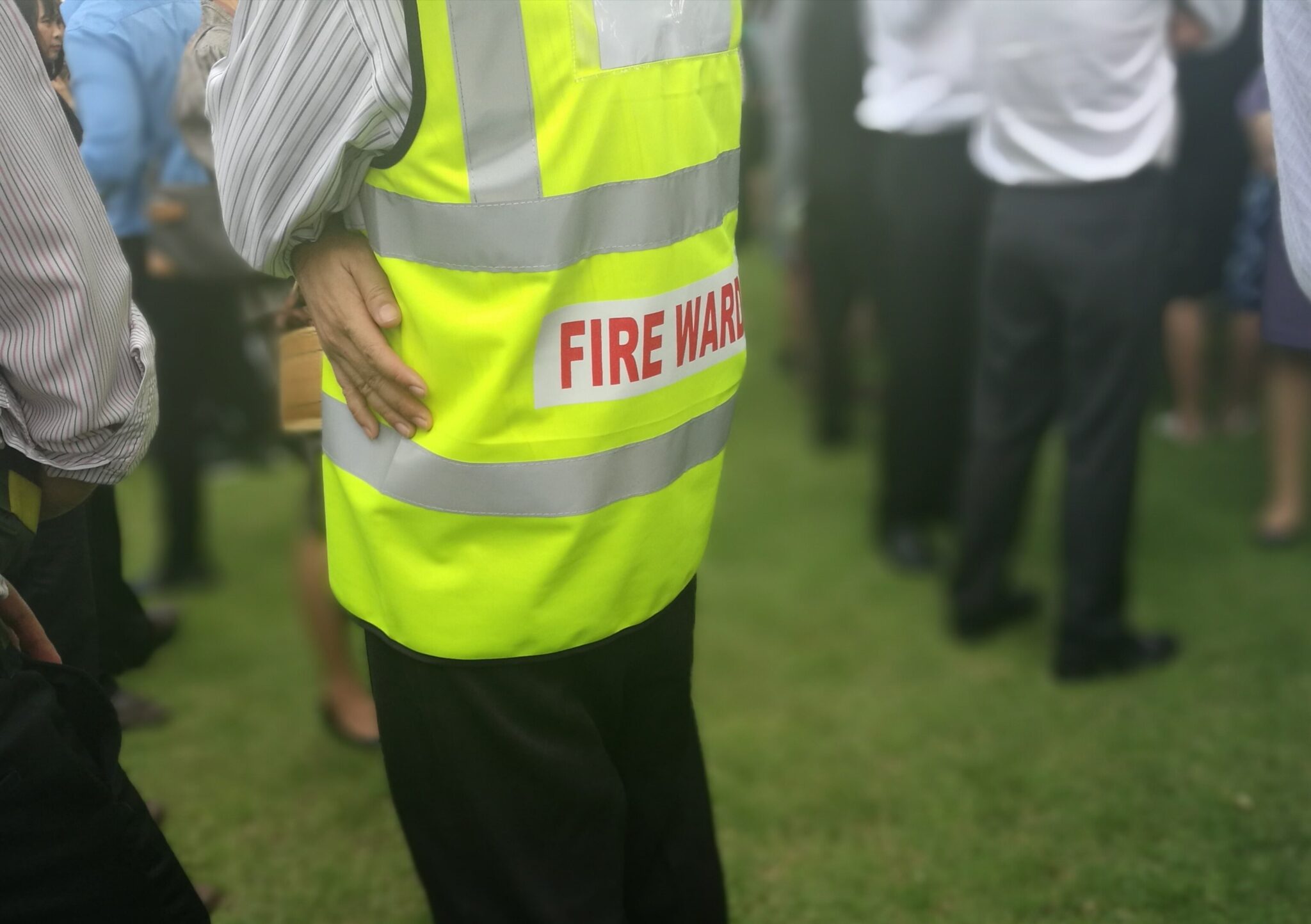
Yes, the hat question turns up more frequently than you would certainly believe. Each website follows its own scheme, however across Australia there is a typical convention drawn from AS 3745. Fire wardens usually put on red, interactions white, and the chief warden typically uses white with a black band or totally white. So what colour helmet does a chief warden wear? In a lot of offices the chief warden hat colour is white. The chief fire warden hat colour coincides. Fire warden hat colour signs make it very easy for residents and -responders to identify authority throughout an evacuation.
Uniform components only assist if you back them with consistent visibility and behavior. A chief warden that shows up at drills, checks emptying layouts, and reacts immediately constructs trust. That trust fund keeps individuals listening when you require them to relocate swiftly yet calmly.
Core circumstances to master
PUAFER006 anticipates proficiency across multiple emergency types, not simply fire. In technique, you ought to rehearse a minimum of 5 high‑frequency or high‑impact occasions for your center type. The following examples show the choices that differentiate sufficient from excellent.
Fire alarm, unknown cause. The panel reveals a detector triggered on Level 3 near a kitchenette. Initial action is investigate and standby. The nearby location warden transfers to validate while the chief warden settings at the control point, checks CCTV if available, and prepares messages. If smoke is visible or the warden reports warm, elevate to partial evacuation of the affected zone. A complete building emptying may be excessive in a tower with zoned pressurisation, but you have to evaluate smoke movement, at risk occupants, and system condition. Announcements need to be clear and brief, with repeats every 60 to 90 secs up until the evacuation stage ends.
Hazardous spill. A pallet drops and fractures a drum of solvent. The chief warden isolates the location by closing doors and limiting air movement, validates the Safety Data Sheet, initiates a targeted emptying, and shuts out ignition sources. Calling an external HAZMAT system early pays returns. The mistake I see is over‑evacuation that sends out individuals past the risk. Alternative departure paths must become part of the plan, and the ECO must practice their signs and stewardship.
Medical emergency in a crowd. An individual breaks down during an entrance hall event. The chief warden appoints a warden to crowd control, safeguards an AED, and creates a passage for paramedics. If the person is contagious or there is a bloodborne danger, the ECO must rise cleaning methods and call tracing based on the health insurance. The failure pattern is way too many assistants, not enough area and air. The very best chief wardens hold the boundary and maintain onlookers out while the initial aiders work.
Power failure with lift entrapments. Blackouts raise anxiety fast. The chief warden sets off occupant messaging to preserve phone batteries and sit tight unless an emptying is vital. Safety coordinates with the lift specialist while wardens move stairwells to check for stuck individuals. If smoke ventilation relies upon power, you must evaluate whether to keep individuals in position or relocate them to much safer areas. After 10 to 15 mins, supply a status upgrade also if nothing has changed. Silence types panic.
Threats to individual safety and security. Aggressive individuals or suspicious plans need a different position. You may require to lock down, limit gain access to, and draw away people far from locations without promoting the factor broadly. The interactions stance issues. Common language such as "prevent the lobby and comply with warden instructions" shields privacy and decreases danger till police arrives.
Building a capable ECO: employment, training, and refreshers
Emergency warden recruitment is commonly voluntary, and you take what you can get. That does not indicate you approve whoever initially increases a hand for every single function. A reliable chief warden puts together a team with three attributes in mind: integrity, communication, and mobility. Dependability shows in preparation at drills and a practice of examining tools without motivating. Interaction shows in clear radio skills and steady tone. Movement matters since a warden who battles with stairs may be better placed in the interactions cell than on floor sweeps.
The fire warden course covers risk recognition, emptying treatments, approaches for aiding persons with disability, and tools such as extinguishers. The chief fire warden course constructs tabletop exercises and situation command. Mix both with website specifics. Generic training without site context produces incorrect confidence. Your possession has its own peculiarities, from the fire panel touchscreen to door hold‑open magnets and staircase pressurisation sequences.
Fire warden training needs differ by jurisdiction and threat profile, yet generally of thumb aim for yearly warden training and six‑monthly emptying exercises. New wardens must complete a warden course within their first month and shadow a senior warden in the following drill. For chief warden requirements, include leadership refresher courses, radio discipline practice, and a minimum of one unannounced situation each year to sharpen choice speed.
Communications self-control and the radio problem
In the initial minute of an event, radios can turn to mayhem if you have not drilled message structure. One website I collaborated with had 18 radios live throughout a sprinkler activation. Everyone spoke at the same time, and the chief warden missed the vital upgrade that the valve had been separated. We repaired it with radio net technique and brevity codes customized to the building.
Keep networks couple of and concentrated. If you have 2 networks, appoint one to life safety and security and one to design or assistance, and park all unnecessary chatter. Use phone call signs that suit functions, not names. Technique closed‑loop interaction. When a warden acknowledges an instruction, they repeat the vital realities: "Location Warden South, leave Level 2 west wing to Setting up B, duplicate." That routine costs a second and prevents a loads errors.
For structures without radios, the communications warden comes to be the hub. They need a log, a quiet spot, and the authority to triage incoming information. Mobile phones are an alternative but fragile, specifically in a power event. Consider hard‑wired phones near stairway doors, whiteboards for assignments, and joggers in high‑rise sites where radio proliferation is patchy.
Evacuation nuances few talk about
If you have only ever drilled a full structure emptying on a warm morning, you could be amazed at the friction points that arise under tension. Stairwell characteristics alter with pushchairs, canes, and panic. People slow at the very first spin in the stairway due to the fact that they do not know what is ahead. Wardens that present at touchdown transforms smooth the flow and keep individuals moving.
Assembly area selection matters. As well close, and you crowd the exterior and impede -responders. Too much, and you shed people to the coffee shop. Select a location that permits head count without road going across if possible. Have a secondary location if wind or threats make the initial harmful. Tape-record where you sent out individuals, since -responders will certainly ask.
Lifts are a sensitive topic. Several modern-day buildings have occupant emptying elevators created for use in fire under guidance. If your building has them, your plan has to include explicit directions, experienced lift wardens, and liaison with the fire brigade. If your building does not, your ECO requires to look after staged activity so those who need even more time begin earlier. The chief warden regulates the pace and keeps the stairwell from piling up.
Integrating individuals with special needs and gain access to needs
Fire warden demands in the office include planning for occupants and site visitors with momentary and irreversible accessibility demands. Do not rely upon ad hoc goodwill. Personal Emergency situation Emptying Strategies make a difference, however they just work if somebody owns them and they are checked. In a multi‑tenant building, sychronisation in between lessees helps prevent replication and spaces. Evacuation chairs require training and technique in the real stairwell. Designate pairs per gadget and rehearse handovers every landing.
In one drill at a health and wellness center, a warden team attempted to muscle an evacuation chair with someone. They made it, barely, and both were exhausted. The restorative action was simple: include a 2nd warden, set the cadence, and train on the braking mechanism. PUAFER006 expects the chief warden to set requirements like this, examine them, and change based on evidence.
Documentation that makes its keep
Emergency strategies usually come to be shelfware, pulled out for audits and forgotten. That is a missed chance. The most effective strategies I have actually seen do 3 points: they choose simpler during a case, they make training practical, and they hold people answerable afterward.
Make fast referral guides for wardens and the chief warden that reflect your site, not common layouts. Consist of panel screenshots, valve and isolation factors, gas shutoff places, and specialty threats such as lithium battery storage space. Maintain the papers short. Laminated cards on lanyards or pockets work when nerves fray. Include a call waterfall for after hours and service providers who can shut things down fast.
After each event or drill, the chief warden ought to lead a brief, time‑boxed debrief. What did we mean, what happened, what helped, what impeded, what will we change by following quarter. Capture metrics like time to ECO activation, time to first warden report, time to evacuation conclusion, and percent of wardens existing. Run a restorative activities log with owners and days. When auditors ask about chief fire warden responsibilities, show them the log. It is the useful evidence that the strategy is alive.
Working with building systems, not versus them
Modern buildings have complicated interfaces: fire sign panels, emergency situation warning and publication systems, smoke control systems, sprinklers, gas detection, and much more. Chief warden responsibilities include recognizing just how these systems act and just how your activities engage with them.
During a fire occasion, door releases, smoke exhaust followers, and stair pressurisation can change air flow substantially. Propping stair doors open beats the pressurisation system and fills stairs with smoke. Wardens need to recognize why doors must stay shut, not just that they must.
Test your Public Address system levels during drills. In a hectic stockroom, forklifts muffle PA messages unless the audio speaker placement and quantity are tuned. A communications warden with a handheld loudhailer is a useful backup. Examine that tape-recorded messages are unmistakable and match your plan language. If your EWIS says one point and your wardens state one more, people quit listening.
The noticeable and unnoticeable parts of authority
A chief warden hat and vest make you visible. What holds focus is integrity developed gradually. Credibility starts with prompt drills and expands with fairness. Throughout a method discharge at a college building, we had one lecturer who constantly stood up to due to "vital material." The chief emergency warden handled it by seeing ahead of the next drill, describing the lawful and useful stakes, and offering to time the workout to avoid his examination block. Compliance boosted, and the ECO's standing rose.
Firmness issues throughout actual occasions. If a person rejects to evacuate, wardens must not get involved in physical conflicts, yet the chief warden must tape-record the refusal and notify responders. Build the behavior of de‑escalation manuscripts so wardens do not improvisate under stress.
Training styles that work
Death by slide show is a waste of everyone's time. A well balanced program blends brief theory with walk‑throughs and circumstance play. For PUAFER006 lead an emergency control organisation training, I like to run a 30‑minute tabletop with a layout, symbols for wardens, and timed injects: an obstructed staircase, a distressed customer, a 2nd alarm. Then we walk the website and confirm assumptions. The last block is a radio drill. The modification in self-confidence after also one session is noticeable.
The service provider you select for chief fire warden training must ask to see your plan and adapt the scenarios. If they provide just generic content, press back. Actual occasions look like your structure, not their slides.
Legal responsibilities and sensible thresholds
Chief fire warden requirements do not change lawful duties under work environment health and wellness legislations or state fire services legislation. If you manage a website, you are accountable for ensuring the fire warden requirements in the workplace are satisfied: ample varieties of qualified wardens, preserved systems, up‑to‑date layouts, and examined treatments. Regulatory authorities and insurance firms do decline "we planned to educate them next quarter" after a preventable injury.
At the very same time, the law recognises that choices are made under uncertainty. Document the basis for your decisions during an occurrence, particularly if you differ the plan. If a stairwell was jeopardized and you presented a partial shelter in place, note the indicators, the time, and the interactions. That record demonstrates diligence.
The human aspect: stress and anxiety, fatigue, and aftercare
After an intense occasion, ECO members may really feel a spike of adrenaline followed by an accident. Plan for that. Deal a short time out prior to throwing people back into work. For incidents entailing injury, make worker help offered. Burnout shows in resentment about drills and a passion to reduce edges. Revolve functions so the very same individuals are not always on the sharp end.
As chief warden, version calm and humility. Confess when something did not go as planned, own the fix, and share the lesson. Individuals react to authenticity.
A compact list for primary wardens
Use this short pre‑incident checklist to tighten your readiness in between formal training blocks.
- Know your strategy locations, ECO roster, and alternates. Inspect openings and fill them. Walk your stairwells and confirm door function, lighting, and signage. Test radios and EWIS audibility in busy areas. Log flaws and chase after repairs. Review high‑risk areas: cooking areas, plant areas, battery storage, specialists on site. Practice a 60‑second handover to fire services. Keep it crisp and relevant.
Selecting the best training for your team
Look for carriers who examine your building specifics before estimating a warden course or chief warden course. Ask just how they incorporate PUAFER005 and PUAFER006, what scenarios they make use of, and just how they measure competency. A good emergency warden course will certainly include role play, website walk‑throughs, and an exercise entailing your actual alarms and interaction paths.
If you have satellite sites or blended occupancy, think about a blended approach. Provide the standard warden training online for understanding, after that run on‑site practicals for wardens and a dedicated chief fire warden course for the leaders. Keep a basic matrix of that holds what, when it runs out, and who is successor for chief warden responsibilities.
When it counts, individuals adhere to competence
The first time you lead a real-time occasion, you will feel the weight of the function. That is typical. PUAFER006 offers you the organized proficiencies, yet it is the repeating of drills, the creases worked out of your site strategy, and the partnerships you develop that turn training into performance.
Whether you carry the chief warden hat or mentor the following person who will, invest in the principles: clear strategies, disciplined interaction, practical method, and gentle management. The day you need them, those investments repay in quiet stairwells, consistent movement, and a structure full of people that obtain home safely.
Take your leadership in workplace safety to the next level with the nationally recognised PUAFER006 Chief Warden Training. Designed for Chief and Deputy Fire Wardens, this face-to-face 3-hour course teaches critical skills: coordinating evacuations, leading a warden team, making decisions under pressure, and liaising with emergency services. Course cost is generally AUD $130 per person for public sessions. Held in multiple locations including Brisbane CBD (Queen Street), North Hobart, Adelaide, and more across Queensland such as Gold Coast, Sunshine Coast, Toowoomba, Cairns, Ipswich, Logan, Chermside, etc.
If you’ve been appointed as a Chief or Deputy Fire Warden at your workplace, the PUAFER006 – Chief Warden Training is designed to give you the confidence and skills to take charge when it matters most. This nationally accredited course goes beyond the basics of emergency response, teaching you how to coordinate evacuations, lead and direct your warden team, make quick decisions under pressure, and effectively communicate with emergency services. Delivered face-to-face in just 3 hours, the training is practical, engaging, and focused on real-world workplace scenarios. You’ll walk away knowing exactly what to do when an emergency unfolds—and you’ll receive your certificate the same day you complete the course. With training available across Australia—including Brisbane CBD (Queen Street), North Hobart, Adelaide, Gold Coast, Sunshine Coast, Toowoomba, Cairns, Ipswich, Logan, Chermside and more—it’s easy to find a location near you. At just $130 per person, this course is an affordable way to make sure your workplace is compliant with safety requirements while also giving you peace of mind that you can step up and lead when it counts.